Hire developers who build software for what happens on the production floor.
A manufacturing line doesn't run on a static plan. It runs on machine uptime, material flow, quality checks, and schedule changes that happen by the shift. We place developers who've built for that reality — software that tracks production the way a plant manager actually thinks about it, not the way a generic ERP module assumes it should.
Hire Manufacturing Developers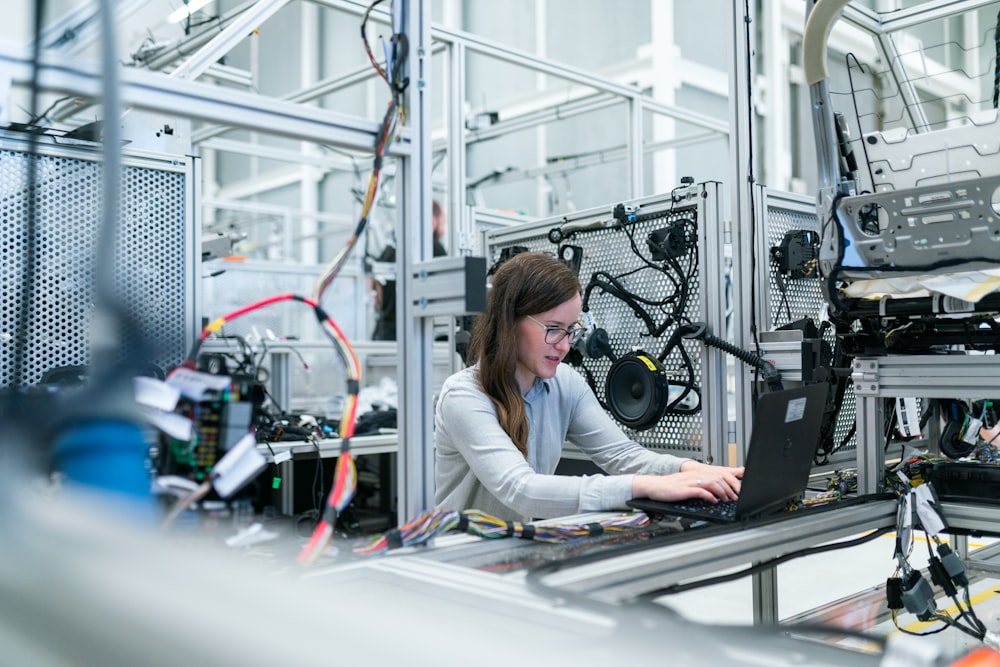
Manufacturing developers we place
Manufacturing operations don't fall behind because nobody wanted better software. They fall behind because the software available was built for a generic office, not a production floor. We place developers who build specifically for manufacturing, so the system matches how a plant actually runs.
Manufacturing Execution System (MES) Developers
We place developers who build the software that tracks work orders, production status, and machine data in one place — so a plant manager sees the floor's real status without walking it.
IoT & Sensor Integration Engineers
Machine sensors and PLCs all speak different protocols. Our developers connect them into one system, so production data is usable instead of scattered across five vendor dashboards.
Predictive Maintenance Engineers
Unplanned downtime costs a plant more than a scheduled repair ever would. We place developers who build predictive maintenance systems that flag equipment issues before a breakdown stops the line.
Supply Chain & Inventory Systems Developers
Material shortages and overstock both cost money. Our developers build inventory systems that track material flow accurately enough to keep a line running without excess capital tied up in stock.
Quality Management Systems Developers
Defect tracking and quality holds can't be a paper process at scale. We place developers who build QMS software that catches quality issues at the source, not after a shipment goes out.
Manufacturing Data & Analytics Developers
Production, quality, and downtime data pile up faster than most teams can review manually. We place developers who build the dashboards that surface OEE and bottlenecks before they compound.
Mobile App Developers for Plant Floor Teams
Floor workers aren't sitting at a desk. We place developers who build rugged, offline-capable mobile apps that hold up in a plant environment, not a corporate office.
ERP & Legacy System Integration Engineers
Most manufacturers run a legacy ERP that doesn't talk to modern floor systems. Our developers build the integration layer that connects them without a costly ERP rebuild.
Types of custom manufacturing software we build
Every manufacturer eventually hits the same wall: the off-the-shelf MES covers the basics but not the specifics of how this particular plant actually runs. These are the systems our developers build when "close enough" isn't.
AI-Powered Quality Inspection
Computer vision models trained on production imagery can catch defects on the line faster and more consistently than manual inspection alone — which means fewer defective units reach a customer.
Predictive Maintenance Analytics
Predictive models trained on sensor and machine-hour data flag component wear before it causes an unplanned stoppage, so maintenance gets scheduled around production instead of interrupting it.
Digital Twin & Simulation Platforms
A digital twin that mirrors a production line in real time lets engineers test changes virtually before touching the physical line, cutting the risk of a costly floor disruption.
Blockchain-Based Supply Chain Traceability
Component and material fraud cost the industry real money, mostly because verification happens after materials have already been used. Blockchain-based tracking makes every part traceable back to its source.
Real-Time Production Monitoring Dashboards
OEE and downtime dashboards that update in real time let a plant manager catch a bottleneck mid-shift, not in a report reviewed the next morning.
Robotics & Automation Control Software
Robotic cells and automated lines need software that coordinates timing and safety interlocks precisely. We build for that reliability requirement specifically, not as a bolt-on to a generic control system.
Demand Forecasting & Production Planning Tools
Production planning that reacts to actual demand signals, not a static forecast, keeps a plant from overproducing one SKU while running short on another.
Other Applications
Warehouse management systems, energy monitoring platforms, compliance and safety reporting tools, vendor and supplier portals — if it touches how a plant produces or ships product, our developers can likely build it.
Benefits of building bespoke solutions
Off-the-shelf manufacturing software solves someone else's plant reasonably well. Custom software solves yours exactly.
1. Competitive Advantage
When your software is built around your specific lines, products, and workflow, it becomes an operational edge a competitor can't just license and copy.
4. Efficiency and Productivity
Custom tools remove the manual data logging and reconciliation that eat into a floor team's shift, so that time goes back into production itself.
2. Improved Decision-Making
Software built around your actual production and quality data gives plant leaders decisions grounded in this shift's numbers, not last month's assumptions.
5. Scalability and Flexibility
A system built for your operation today can expand as production volume, product lines, or facilities change. You're not boxed in by a vendor's product roadmap.
3. Innovation
Custom development gives you room to adopt the sensor, model, or automation a generic MES hasn't built support for yet — and to benefit from it a quarter earlier than competitors will.
Which operations benefit from custom manufacturing software development?
Manufacturing businesses of very different sizes benefit from custom software built by developers who understand the domain. A few examples:
Why teams choose our manufacturing developers
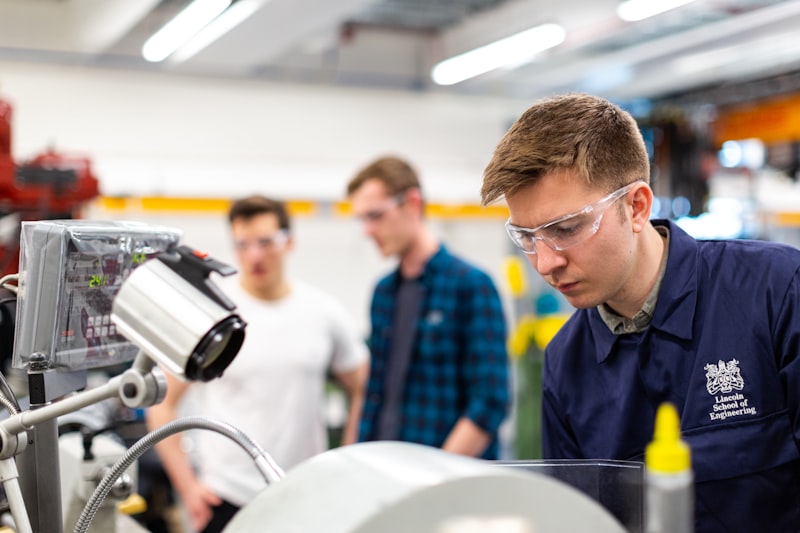
Developers With Domain Context
Every developer we place has built manufacturing or industrial systems before. That context is what keeps a project moving once the requirements get specific to a machine protocol or a floor workflow.
A Track Record in Industry 4.0
We've placed developers on manufacturing projects long enough to know where they typically go wrong — sensor integration, legacy ERP connections, floor reliability — and we plan around those points from day one.
Software Built Around Your Plant, Not a Template
No two manufacturers run identically, so the software behind them shouldn't either. Our developers build for your lines, your products, and your existing systems specifically.
Engineers fluent in 100+ technologies
Our developers work across the modern stack and the AI-assisted tools that help them ship faster, so your manufacturing platform gets built in whatever stack fits it best — not whatever stack happens to be convenient for us.
Our full repertoireOur process. Simple, seamless, streamlined.
Discuss your requirements.
We talk through your plant, your lines, and the systems you're already running. This first call is also where we figure out whether you need one developer or a full engineering team.
Create a plan and assemble a team.
We map an approach against the engagement model you've chosen and bring in developers whose experience actually matches the project — MES development, IoT integration, or predictive maintenance, depending on what it needs.
Get to work.
Development starts, and you stay informed through it — regular progress updates and visible metrics, not a status call you have to chase down mid-shift.